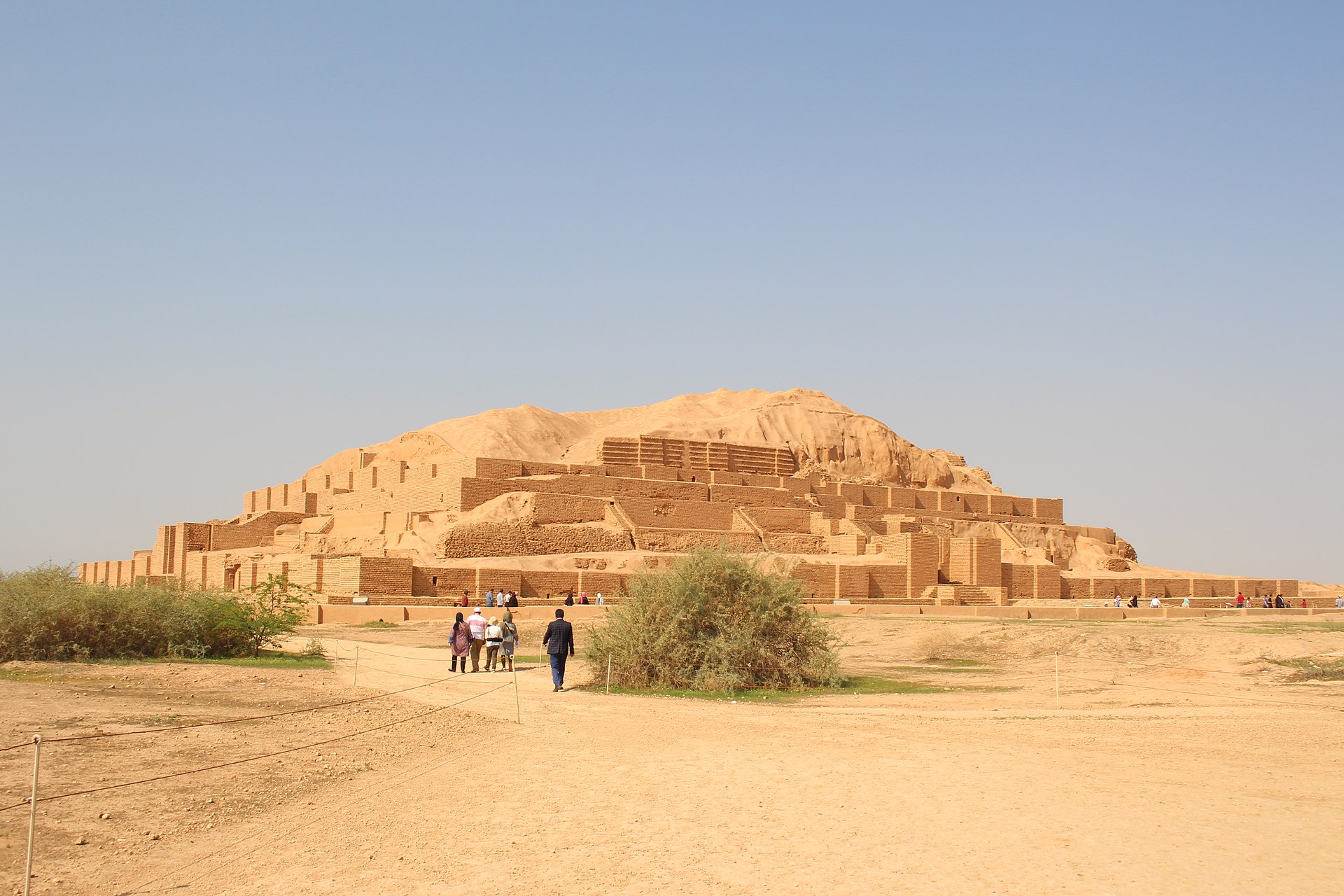
Choqa Zanbil (Dur Untash)
Tchoga Zanbil · Dur Untash · Chogha Zanbil
Middle Elamite (c.1250–640 BCE)·Elamite·🇮🇷 Khuzestan Province, Iran
About
About Choqa Zanbil (Dur Untash)
Elamite holy city built by King Untash-Napirisha (1250 BCE) to honor god Inshushinak: immense 105×105 m square ziggurat (originally 53 m high, 5 storeys) at center of three concentric walls with temples, palaces and water purification system. Best-preserved ziggurat outside Mesopotamia (2 of 5 storeys survive to 25 m). Nested sacred precinct shows Elamite urban planning; abandoned after Ashurbanipal's sack 640 BCE.
Why it mattersBest preserved Elamite ziggurat; exemplar sacred city planning
Open questions
Mysteries & theories
Mysteries
- 01Why city apparently never completed and rarely inhabited – purely ritual function?
- 02Water engineering to bring 50 km canal to desert plain site
Theories
- 01Dur Untash intended to replace Susa as religious capital but political resistance cut short
- 02Three-wall concept reflects Elamite cosmology
Theories are interpretations, not findings. The seal above tells you how much scholarly weight the place carries.
History
How it came to be
- Built
- c.1250 BCE by Untash-Napirisha; additions until c.1100 BCE
- Period
- Middle Elamite (c.1250–640 BCE)
- Culture
- Elamite
- Purpose
- Sacred city dedicated to Inshushinak and Napirisha with royal residence and oracle
- Excavation
- Excavated
c.1250 BCE by Untash-Napirisha; additions until c.1100 BCE
Initial construction
c. 1289 CE
Major expansion
On the ground
Structures & features
32.0083° N · 48.5208° E · 95 m · 3 mapped features
Ziggurat of Dur Untash
zigguratSquare terraced ziggurat 105 m side, 25 m preserved height, shrine of Inshushinak on summit
32.0083° N · 48.5208° ETemple of Inshushinak (Kiririsha)
templeGate temple on southeast side of inner precinct
32.0075° N · 48.5215° EPalace and Canal Intake
palaceRoyal palace and 50 km freshwater canal with purification basins
32.0095° N · 48.5195° E
Gallery